Dome of the Rock Biblical Significance: A Guide
Share this article
What is the Dome of the Rock’s Biblical significance?
The Dome of the Rock's Biblical significance lies in its location on Mount Moriah, where Abraham prepared to sacrifice Isaac and where the Jewish Temples once stood. For Christians, it represents the physical center of salvation history, marking the site of divine presence and the sacrificial foundation of faith.
Why is the location of the Dome of the Rock so important?
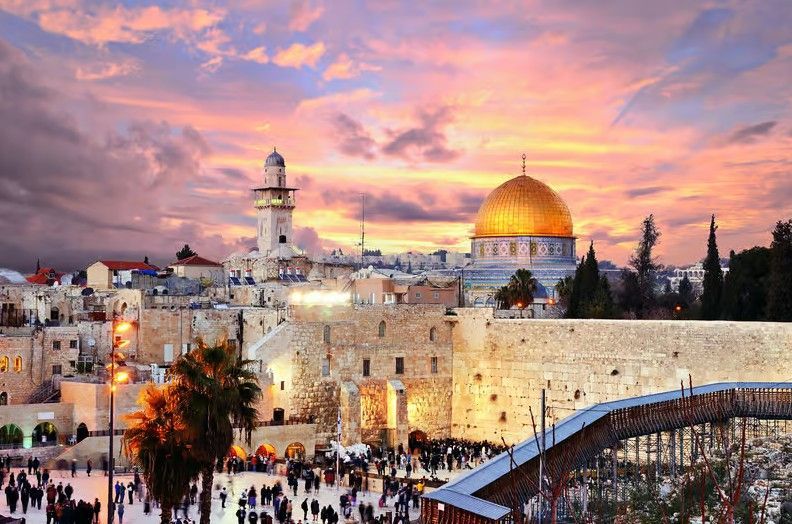
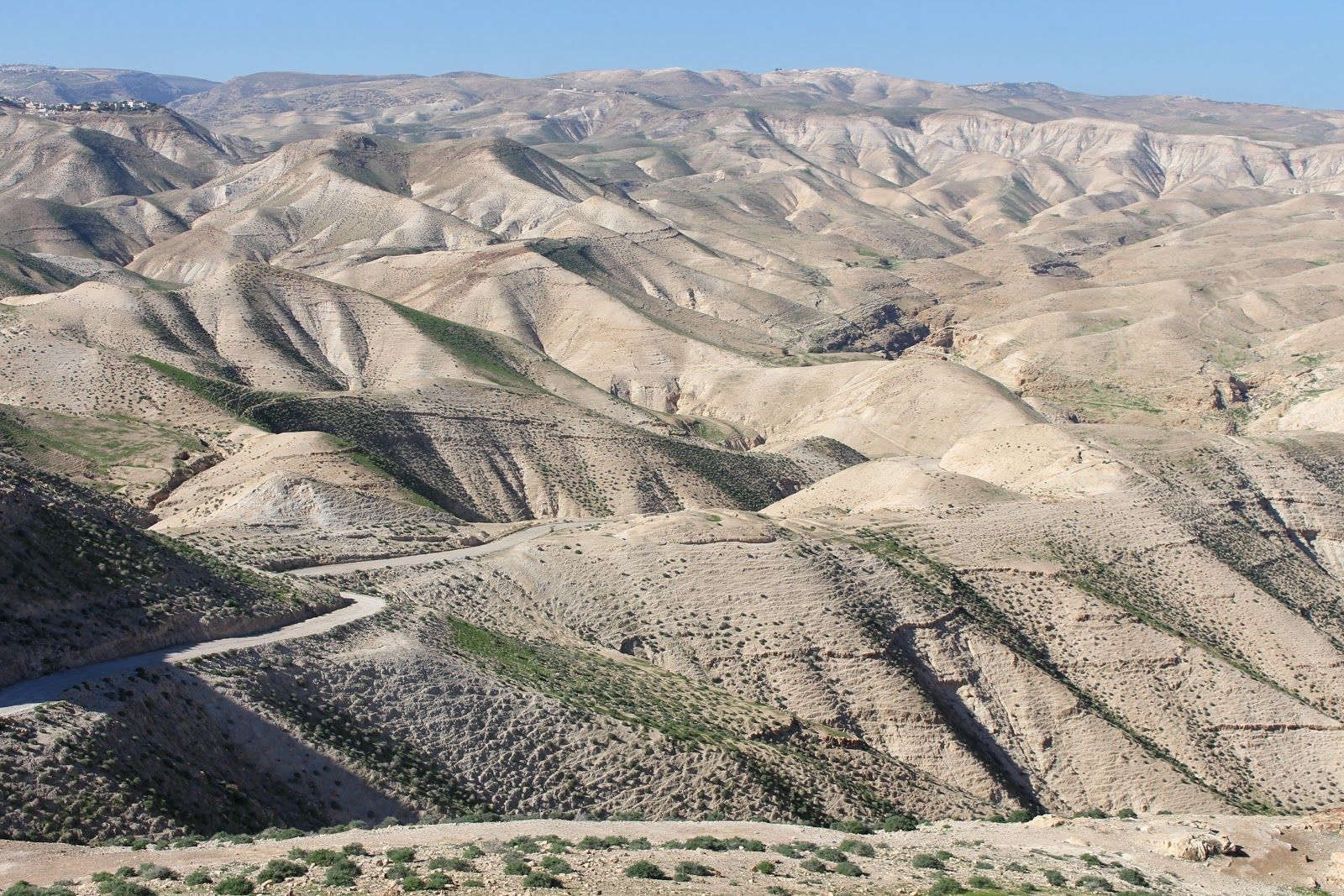
To understand why this specific piece of land in Jerusalem is the most contested and revered real estate on Earth, we have to look back thousands of years. Long before the golden dome became a fixture of the city skyline, this was a rugged limestone ridge known as Mount Moriah. It is here that we find the intersection of heaven and earth. For those of us walking these paths on a Holy Land tour , standing near this site is a profound moment of connection to the very roots of our faith.
The importance begins in Genesis with Abraham. God commanded him to take his son, Isaac, to the land of Moriah and offer him as a sacrifice. Just as Abraham raised the knife, God provided a ram in the thicket. This moment established Mount Moriah as a place of substitutionary sacrifice—a foreshadowing of what God would later do through His own Son, Jesus. When you stand on the Temple Mount today, you are standing on the ground where the concept of redemption was physically demonstrated to the patriarchs.
Beyond Abraham, this location became the threshing floor of Araunah the Jebusite, which King David purchased to build an altar to the Lord. David’s son, Solomon, eventually built the First Temple on this very spot. It wasn't just a building; it was the dwelling place of the Shekhinah glory of God. For centuries, this rock face was the heartbeat of the Israelite relationship with the Father. Even today, the spiritual weight of that history is palpable, even if the physical structures have changed.
Tracing the History of the First and Second Temples
The history of this site is marked by cycles of glory and destruction. Solomon’s Temple, finished around 957 BC, was a marvel of the ancient world. It stood for nearly 400 years until the Babylonians destroyed it in 586 BC. For the Jewish people, the loss of the Temple was the loss of their primary means of connecting with God. However, the story didn't end there. After the exile, a second, humbler temple was built, which King Herod the Great later expanded into the magnificent structure that Jesus would have known and visited.
When we discuss The Experience of visiting the Temple Mount, we are talking about walking the same stones that Jesus walked. This was where He was presented as a baby, where He sat among the teachers at age twelve, and where He later cleared the courts of the moneychangers. The Second Temple was the backdrop for much of the Gospel narrative. However, Jesus also prophesied its destruction, a prophecy that came to pass in 70 AD when the Roman legions under Titus leveled the city.
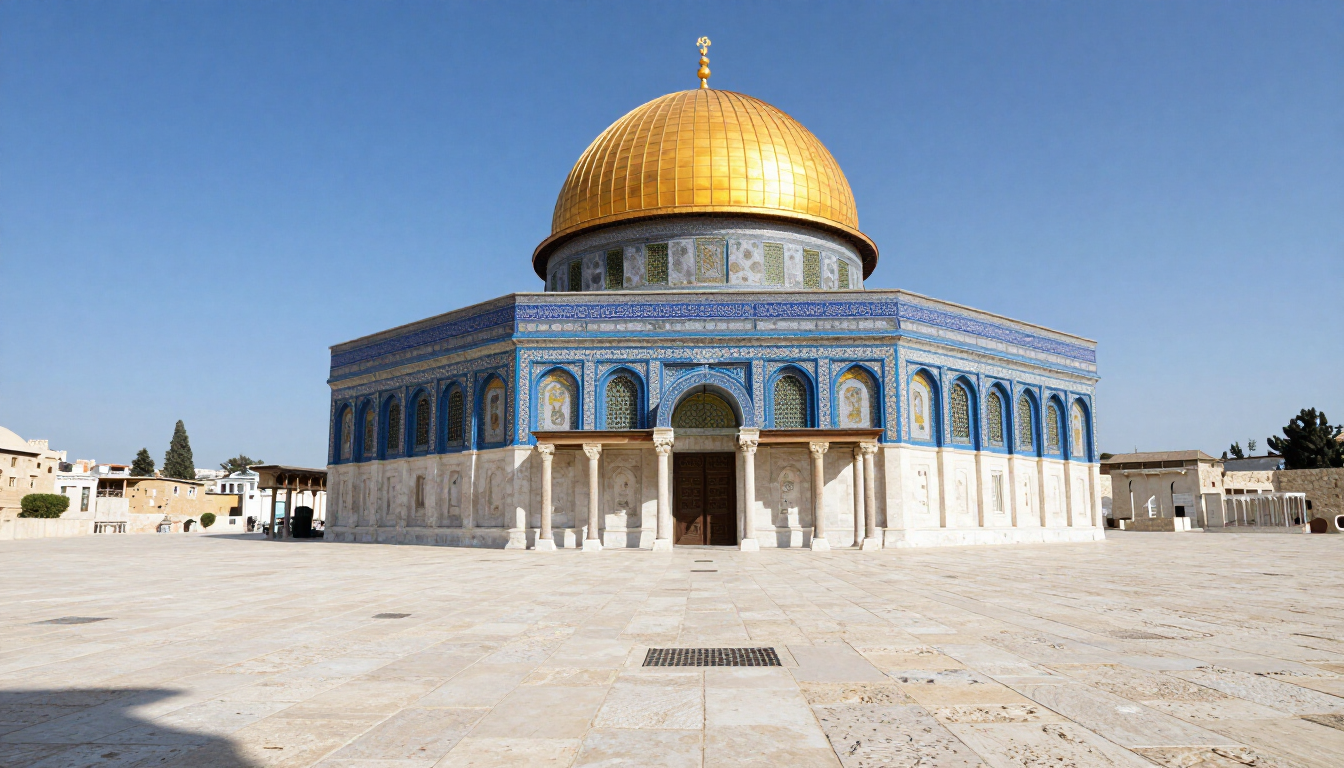
For nearly 600 years after the Roman destruction, the site lay in varying states of ruin or was occupied by pagan temples. It wasn't until the 7th century, following the Muslim conquest of Jerusalem, that the Dome of the Rock was constructed. It was built not as a mosque, but as a shrine to protect the rock—the very rock many believe was the location of the Holy of Holies. Today, the building serves as a powerful symbol of Islamic presence, yet for the Christian pilgrim, its foundation remains inextricably linked to the biblical narrative of the Temples.
Can Christians go inside the Dome of the Rock?
One of the most common questions from folks preparing for our trips is, "Can we go inside the building?" It’s a natural desire; we want to see the rock itself and witness the interior of such an iconic structure. Unfortunately, the short answer is no. Since the early 2000s, non-Muslims have generally been prohibited from entering the Dome of the Rock or the Al-Aqsa Mosque. Access is strictly controlled by the Islamic Waqf, the administrative body that manages the site.
While we cannot step inside, the exterior view is still breathtaking. The intricate blue tile work, the Arabic calligraphy, and the massive golden dome are sights you’ll never forget. More importantly, being on the plaza allows us to grasp the scale of the ancient Temple complex. You can look across to the Mount of Olives and imagine the vista as it appeared in the first century. Even without entering the shrine, the proximity to such history is life-changing. We focus our time on the Mount observing the architecture and reflecting on the biblical events that occurred right under our feet.
Navigating Temple Mount Security: Why no Bibles?
Visiting the Temple Mount is a unique experience, but it comes with a set of very specific and sometimes jarring rules. To enter the grounds, everyone must pass through a security checkpoint located near the Western Wall. The security personnel are looking for more than just physical threats; they are enforcing a "status quo" agreement that governs religious expression on the Mount. This is where many Christians feel a sense of irony and even a bit of sadness.
Currently, visitors are not allowed to bring Bibles, crosses, or any identifiable religious items onto the Temple Mount. You cannot openly pray or hold a group Bible study while standing on the plaza. If you are seen carrying a Bible or even moving your lips in what looks like prayer, security guards may intervene. It is a stark reminder of the complex political and religious tensions that define modern Jerusalem. Here we are, standing on the site of the ancient Temple, yet we cannot openly read the Word of God that chronicles its history.
Despite these restrictions, we don't let the rules dampen the spiritual impact. We prepare our hearts beforehand. We read the scriptures before we pass through security, and we carry the truth of God's Word in our hearts. As we walk the grounds, we maintain a posture of silent reflection. It's a powerful exercise in internalizing your faith. You don't need a physical book to remember that you are standing on the very ground where the Gospel was preached. We explain more about these nuances in our section on Why Travel With Us , as having an experienced guide makes this process much smoother.
The Connection to Abraham and the Story of Redemption
The irony of the security rules is balanced by the overwhelming truth of what the site represents. The "Rock" inside the Dome is traditionally identified as the foundation stone of the world. For us, its greatest meaning is tied back to that moment with Abraham. The story of redemption is woven into the very geology of this place. When we see the Dome, we aren't just looking at a building; we are looking at a monument to a location where God proved He would provide a sacrifice.
Consider the parallels:
- Abraham offered his "only son" on Mount Moriah.
- God offered His only Son, Jesus, just a short distance away on the same ridge (Golgotha).
- The ram provided for Abraham was a temporary substitute; Christ was the eternal one.
- The Temple sacrifices pointed to the finality of the Cross.
- The presence of God once dwelt here, but now dwells within us through the Holy Spirit.
God’s friend, Abraham, discovered Yahweh as Provider on this Mount Moriah. And Abraham named that place The Lord Will Provide, so today it is said: “It will be provided on the Lord’s mountain.”
Genesis 22:14
Before Solomon built the magnificent house for Jehovah to dwell, David purchased this priceless piece of property from Araunah in order to offer sacrifices and plead for God’s mercy saying,
“No, I insist on buying it from you for a price, for I will not offer to the Lord my God burnt offerings that cost me nothing.”
2 Samuel 24:24
Here, our Father gave His spotless Lamb, the Son of God, to pay a debt He did not owe at a price I could not afford.
On this mountain, He was provided.
As my Dad used to say, “Here, there, or in the air,”
iamgoingtojerusalem.com
Stephen D Broome
tiktw
Waiting...
Recent Posts